by Ralph
on November 14, 2011
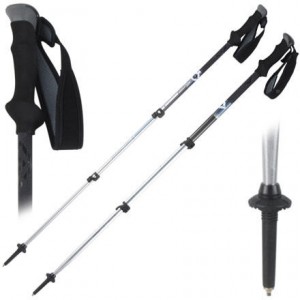 Tools are invaluable. They augment skills and physical ability. They make it possible to do things that are impossible, or at least difficult to do without them. Finding and selecting tools, however, is not always easy. Sometimes I completely miss the value of a tool or become confused about why I need it and what it will do for me. That is a big problem because I need all the help I can find. An example is one of my Christmas gifts – a set of hiking poles.
It started simply when my wife asked what I wanted for Christmas. I asked her for a hiking stick and what I was thinking about was a long wooden pole or staff to provide stability while hiking. She turned the tables on me when she asked me to show her where to get one. I had seen them at a store specializing in walking shoes and equipment but had never really looked at them seriously. When I researched, I found that yes, there are hiking poles like I was imagining but there were also hiking sticks in pairs that you use like ski poles. Since these were lightweight and collapsible when compared to the bulky, heavy wood stakes, I decided that I would ask for a pair of the sticks.
Our Christmas vacation provided the opportunity to test the sticks on the network of trails near our vacation home. My first time out was on a trail along the coastal bluffs. I didn’t think they would make much difference and I felt very conspicuous and somewhat foolish with my two hiking sticks, particularly since nobody else on the trail was using even a cane. I felt like some kind of spidery quadruped but gradually it became more natural to work the sticks as I hiked. They worked wonderfully to maintain stability as I traveled the sometimes irregular trail and helped me to keep a steady pace. When I returned to the house some two hours later, it was apparent that there was more to my new tools that I had anticipated. I was definitely feeling a workout of my arms and chest. It seemed that my new sticks had turned hiking into a full body exercise program, something I never anticipated.
Continued in Part 2 tomorrow.
{ }
by Ralph
on November 14, 2011
To do something poorly…until you get good!
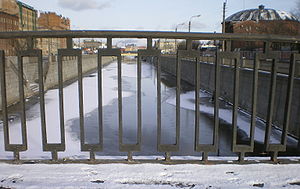
Image via Wikipedia
Who set your boundaries? Everyone has them. It is the lime between what you think you can do and what you think you can’t. It is the line in your head that tells you yes or no when an idea is presented. You may not be able to tell what they are but you can instinctively know which on which side of the line the idea falls.
Somehow you always know what you can and cannot do or what you will or will not do. I don’t mean just the veneer of morals and civilization that we learn growing up. What I am talking about is the sense of your own abilities and talents. The skills you know that you posses and the skills you know you lack.
Somehow growing up you get the idea that you have some skills and lack others. Children don’t have this knowledge. They will do anything and be pleased with the result until adults straighten them out (usually for their own good). Adults tell you what you are good at and over time you believe them. Once you accept those judgments you start setting limits and boundaries for your life reinforced by the lie that people are born with talents.
Geoff Colvin has demonstrated that talent is a myth. Skill comes from discipline and skilled instruction. Yet it is far easier to believe in talent than hard work and it is a great excuse for mediocrity. It is comforting to believe that It isn’t your fault that you aren’t good at anything because you weren’t born with talent.
You are the expert on you! Don’t punt!
Accepting the judgment of others about what we are good at while growing up sets those boundaries that limit our life possibilities. The lie about talent reinforces the walls and our confidence about what abilities we posses and lack. When you are forced to take an action outside your boundaries, instead of excitement about breaking new ground, you believe that your poor performance confirms your lack of ability and convinces you to never try again.
Changing your life requires changing your beliefs and actions. It means doing and learning new things and most of them will fall outside the walls you built in your brain about what you can do. The way to start this process is to give yourself permission to do something badly while you learn. Every beginner starts badly and only over time and with focused effort do they acquire skill. You are no different.
Lifestyle design means creating the life you want; not accepting the life you have. And to get that life you may have to push across those self-imposed limits you accepted long ago. Moving on will require you to cross those boundaries and when you do you might perform badly- at first. Give yourself permission to be bad at something for a time when learning a new skill can open new possibilities for your life. It is your life. Don’t let somebody else decide its boundaries.
{ }
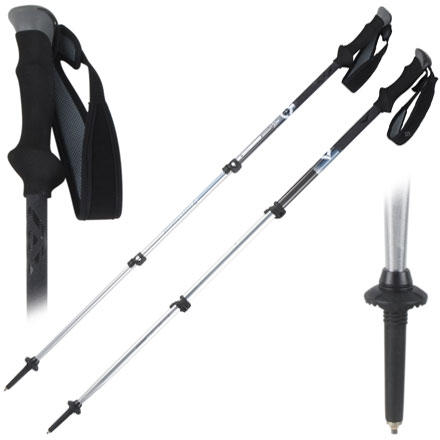 Tools are invaluable. They augment skills and physical ability. They make it possible to do things that are impossible, or at least difficult to do without them. Finding and selecting tools, however, is not always easy. Sometimes I completely miss the value of a tool or become confused about why I need it and what it will do for me. That is a big problem because I need all the help I can find. An example is one of my Christmas gifts – a set of hiking poles.

Recent Comments